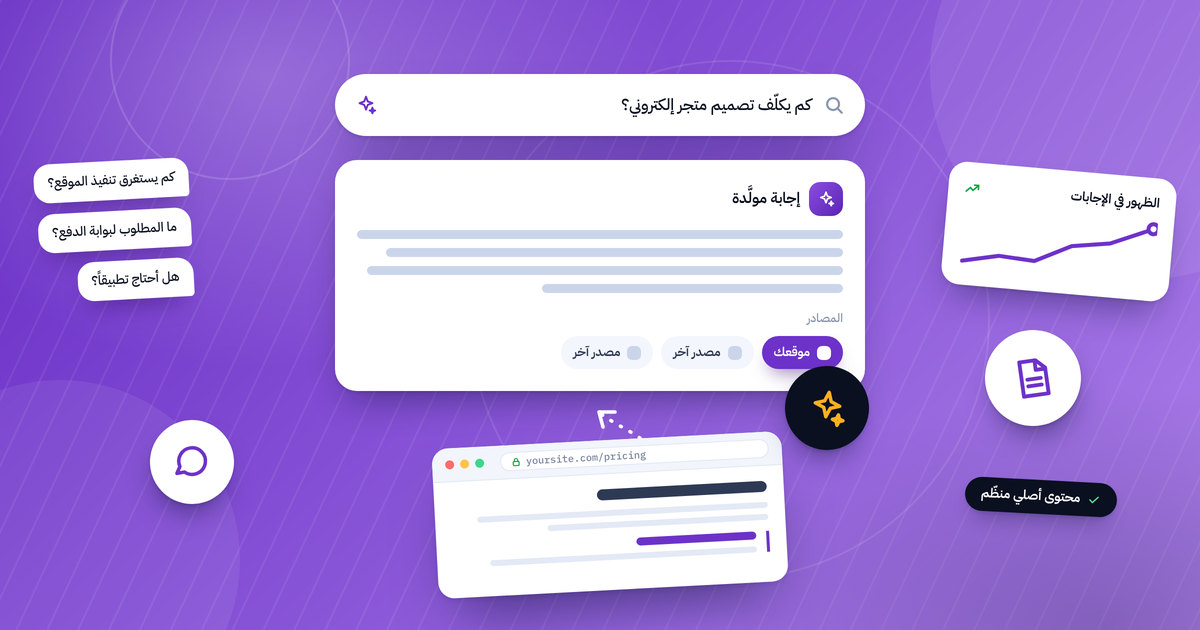
Many searches today start with a generated answer that summarises several websites and places their links beside it. And chat assistants answer their users by drawing on web pages. The question is no longer just: do I appear on the first page? But also: is my page used when the answer is written?
The short answer
There is no “special SEO for AI”. Google’s published guidance for website owners says that appearing in generative search features, such as AI Overviews and AI Mode, requires no extra techniques. The page must be indexed and eligible to appear with a snippet in regular results.
So whatever blocks indexing blocks citation, and whatever raises a page’s quality for the visitor raises its chances here too. Review the foundation in Search Engine Optimisation: Where Do You Really Start?.
What actually matters?
- Content nobody else has. Your direct experience, your published prices, your steps, the results of a real project. Rewording what’s on other websites gives nobody a reason to cite you.
- Clear organisation. Short paragraphs, subheadings, and relevant images where they help.
- Reachable pages. Don’t block crawling in robots.txt, and link your pages to each other with internal links.
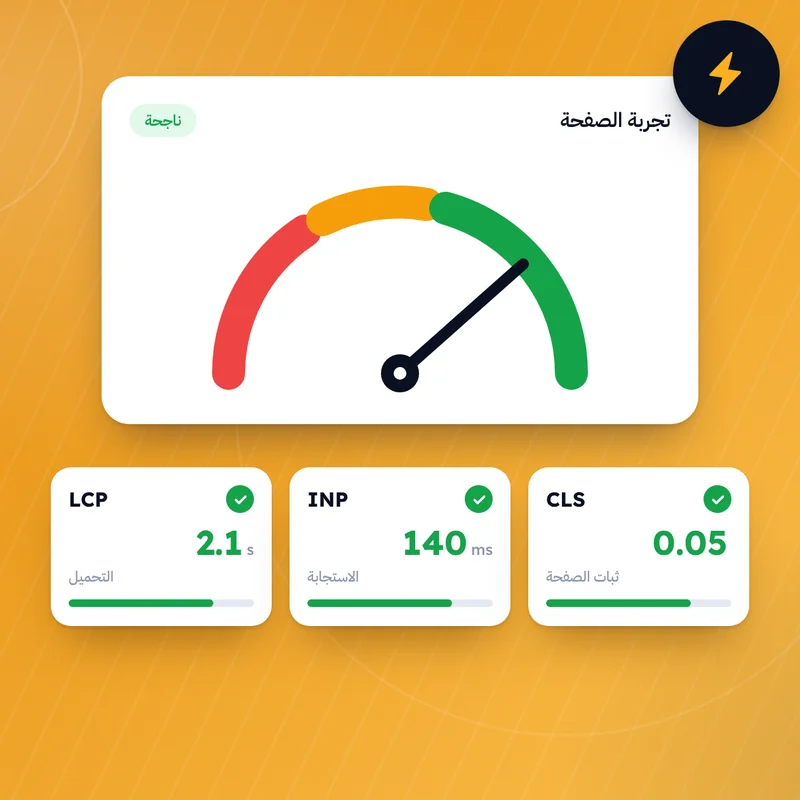
- A good page experience. Speed and stability on mobile, as in the article Website Speed and Core Web Vitals.
- Up-to-date business details. Your Google Business Profile is a source for these answers when the question is about a local business.
What can you ignore?
These are widespread tips that Google says plainly are not needed for its search:
- An llms.txt file: Google Search doesn’t use it, so having one neither helps nor hurts.
- Chopping content into small chunks: its systems understand a page covering more than one topic, and there is no ideal page length.
- Rewriting pages “for AI”: the systems understand meaning and synonyms, so there’s no need to stuff in phrasings.
- Buying “mentions” on other websites: spam-fighting systems work here just as in search.
- Special tags: structured data isn’t a requirement to appear in answers. It remains useful for rich results.
One setting to check
In Google Search Console, under Settings, there is an option that decides whether your website appears in generative search features. The default is inclusion.
If it is changed to exclusion, neither your links nor your content will be shown in those features, and you won’t get visits from them. This option doesn’t change your ranking in the rest of the search results.
How do I measure?
- Search Console has a dedicated report on your content’s performance in generative features.
- In your website analytics, watch visits coming from chat assistant websites.
- And ask the assistants themselves the questions your customers ask, and see which websites are cited and why.
Beware of tools that promise a guaranteed ranking or claim to read Google’s internal metrics. No external tool has that.
Do I write for the machine or the human?
For the human. The page a hurried visitor understands is the same page that is easy to cite: a clear answer, a logical order, and no filler.
And beware of the opposite: pages produced in bulk without review or added value. Google’s policies treat creating many pages to influence rankings or answers as spam, however they are produced. And if you use generation tools in your writing, the standard is the same: does the page offer something useful to its reader?
What about other assistants?
The major companies publish the names of their crawlers, and you can allow or block them in robots.txt. Blocking is your decision, but it means you won’t be cited in their answers.
What about traffic?
Some searchers will be satisfied with the answer and won’t click. That’s the reality. But those who click after reading the answer arrive closer to a decision. So make the page they land on ready: a clear price, a way to order, and a way to get in touch.
What to do this week
- Make sure your website is added to Search Console and the sitemap is submitted.
- Open the generative features setting and make sure it is set to inclusion.
- Write down ten questions your customers ask on WhatsApp, and answer each one on a page. That’s the job of the knowledge base.
- Add to every service page an opening paragraph that says: what it is, who it’s for, and how much it costs.
Quick questions
Do I need a company specialised in “AI SEO”?
The foundation is the same. Someone who masters SEO and writes original content covers what’s needed. And be wary of anyone selling you “secret” files or tags.
Should I write longer articles?
Write as much as the answer needs. There is no ideal length.
Should I exclude my website to protect my content?
If your content is the product you sell, that may make sense. But for service and company pages, it’s in your interest to be read and cited.
If you want the technical side done for you: Search Engine Ranking Optimisation (SEO).
Need what you just read put into practice?
Our prices are published: packages for every project size, and stand-alone services you can order on their own.